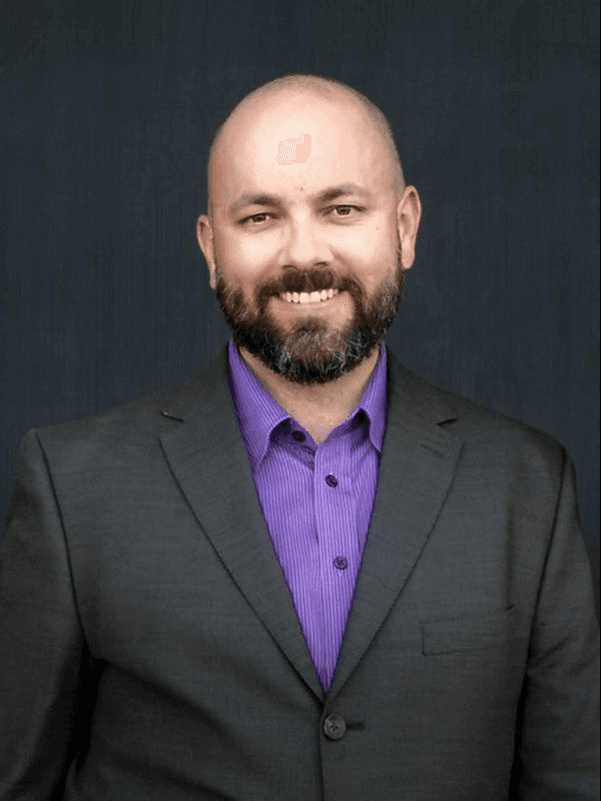
Joshua Long
Host Episode
Getting to Decision Makers with Handwritten Notes by SimplyNoted | Ep 51
The Bottleneck Breakthrough Podcast

Want More Resources From Josh?
Discover practical tools and insights to identify bottlenecks, fix revenue leaks, and grow your business. Get actionable resources from Josh to help you put what you've learned into practice.
/ / / / / / / /
In this episode, Rick Elmore, the founder of SimplyNoted.com goes over his journey to get ahold of key clients and how handwritten notes proved to be the most effective channel for him.
We also talked about various strategies businesses can use today to increase response rates and cut through the noise that fills digital marketing.
Transcript
Josh
00:00:00.400 - 00:01:35.730
This is episode 51, and on it I have Rick Elmore, the owner of simplynoted.com on to talk about strategies to get a hold of decision makers and increase response rates through the use of handwritten cards. This is the Bottleneck Breakthrough podcast.
I'm Josh Long and this is all about helping you find and fix the biggest challenges in your business to unlock growth and profits that last foreign. Hey. Hey. I'm excited to dig in today. I've got a unique approach with this episode.
I was reached out by this guest's agency to get on and talk about marketing and their business and anything that's under the sun.
But when he and I connected, it was an obvious fit because so many business owners I deal with struggle to figure out how to get in front of decision makers and do it in a meaningful way. And we all know how costly and messy the digital world is.
But Rick's built a really fascinating business that I think is perfectly suited for so many of my clients and so many of you listening. How do you get in front of decision makers? How do you stand out? How do you stand out from the crowd?
And how do you do it in a sustainable, scalable way? And we'll talk on a lot of marketing strategy, but Rick would love for you to just talk a little bit about. Simply noted.
And what makes you guys so unique because it's a very fascinating business model and I think a lot of people listening will find it really intriguing and. And hopefully use it too.
Not selling me out of the out of the gate, but I'd love for you to give a bit of an overview on why it captured my interest so well.
Rick
00:01:36.210 - 00:03:58.060
Sure. Well, thanks for having me, Josh. It's great to be here. About 10 years ago, I was going through my MBA at the University of Arizona.
At that time, I. I was in my corporate career and I was looking for something else.
So I went back to school, and about a year into my program, I was a sales rep. At the time, I was in a marketing class and I had a marketing professor going through all the success rates in marketing. And I was pretty young, you know, I was like 27 at the time, and I really was still learning business.
But he was going through all these numbers through direct mail, cold calling, you know, knocking doors, you know, all the, like, the traditional marketing ways that are out there. And everything was like single digits, low double digits, not exciting. You know, I was just like, man, this is, like, really boring.
I'm so glad I'm in sales and not marketing. Like, that sounds Terrible. But he ends this three hour lecture with a very important sentence that redirected my life and changed my life.
And I think, you know, for anybody my age and older, I think they're going to resonate with this.
He ends this three and a half hour lecture and at the time, I don't think he knew what he was doing, but he says, hey, guys, you know what works better now, if not better than ever, is a good old fashioned handwritten note. They're rare. They get opened almost 100% of the time. You throw out the set, 99% they have nostalgia. The mailbox is empty.
At that time, we were going through the software revolution. Now we're going through the AI revolution and people are starving for something different. They're starving for a human, human connection.
And something like this plants a seed in their brain and doesn't go away. And I just thought that resonated. You know, I grew up, I didn't get a cell phone until I was 16.
I wrote handwritten notes to kids in my class and I thought if there was a way to scale that or automate it, there'd be a business case for it. And I started Googling. Literally right there in that class. I saw someone like, had a handwritten mail business for weddings.
I was like, terrible idea. One time, clients, bridezillas, tight budgets, you know, hurry up and wait. And then there was like a company.
They're still around, but they do like B2C, send your mom a card. I was like, why is nobody focusing on businesses? They have systems, they have budgets, they have needs, they're always trying to grow.
Like, why isn't people implementing this? So I tested it. I bought a pen plotter from China. They're called a little three axis plotter. I built it at home.
It took me about a month to write 500 of these. I don't know if this is going to be a video podcast.
Josh
00:03:58.540 - 00:04:07.260
Nope, it's not. But yep, okay. Envelope holding up a handwritten card. Envelope with a handwritten font address. Yep.
Rick
00:04:07.580 - 00:04:55.140
Took me about a month with this little one robot to write 500. But I sent them out to some doctors at that time who were like on my, like targeted list. And my quota was $50,000 a month.
And within six weeks I sold like $300,000 in sales. And these doctors were calling me back like, Rick, thanks for the note that I was like, no one's ever done this before. Like, hey, that was awesome.
Like, that was cool to get.
Like, book a meeting and let's talk about this and if you're in sales and you have your like, client calling you to, like, book meetings, like, that's pretty exciting. Yeah, that's like when I had my entrepreneurial seizure, I was like, hey, idea proven. Like, I've tested it, it works.
Now I'm going to go build the world's best handwritten mail platform. Fast forward eight years. I think we've done that.
Josh
00:04:55.460 - 00:06:40.230
That's great. Yeah.
So I think, like you said that with that digital revolution, I mean, 10 years ago, that was like Facebook was taking over the world with Facebook ads. They had all the data on our phones, Everybody was getting targeted.
And then Google was scrambling to stay relevant and everybody under the sun was running paid media traffic.
And I think as we've gone, I think the nostalgia is a great angle, but I also think the fact that the mailboxes are empty, the only thing in there right now that I get is the weekly newspaper mailer with all the coupons that just go straight into the trash.
And I think, like, as I think of all the businesses that I've helped over the years, there's very, very few that wouldn't benefit from this exact approach. I was just on a call with a guy who has a business that he handles affiliate lead reselling.
So he's got affiliates that have excess leads and he's got home service companies. And as we were thinking about his target audience, like, it's shooting fish in a barrel.
He just needs to go after the top players in each market that will buy all the leads from him. And so I gave him a task.
Go get his cowork agent to go scrape all the sites and pull together the contacts of who the biggest advertisers are and be able to go and get directly in front of him. It's like shooting fish in a barrel. And so like, for somebody like him, this is a no brainer. Because he said, well, how do I get in front of him?
Do I run paid ads to him? I'm like, no. Literally just. It was an old Dan Kennedy line I heard was, send him a FedEx letter with a hundred dollars stapled to it.
Like, you just send a FedEx letter with a hundred dollars stapled to it, you're gonna get a response.
Rick
00:06:40.550 - 00:06:52.150
Yeah, a friend of mine owns a business. I've seen that happen. I was like, your, your time's worth money. I won't waste it or something. I forgot it was. I was like, that is smart.
Like, put a hundred dollar bill in there. Of course someone's gonna like, reach back out yeah, that's a good idea.
Josh
00:06:52.470 - 00:07:29.210
I came across that idea years ago. I was teaching at Fresno State and I was teaching a business plan writing class and we were going over the marketing section.
And at the time we're in central California, there's a lot of ag. And at the time I counted this one fungicide company for almonds had six billboards up and down the highway.
So you figure they're four grand a pop, they're spending 24 grand a month and they may have hundreds of thousands of people seeing those billboards every day, but how many of them are almond farmers and how many of them are dealing with a fungus issue or whatever? And I said, how different would it be if you just pulled the list of all the almond farmers.
Rick
00:07:29.210 - 00:07:29.610
Yeah.
Josh
00:07:29.610 - 00:07:42.970
And you mailed them a lit. Mail them a letter just like you did a handwritten letter. But I said mail them a letter stapled with a hundred dollar bill.
I'm pretty sure it'll be less than $24,000 and you'll get a much higher response rate than six billboards sitting on the side of the highway.
Rick
00:07:42.970 - 00:07:44.090
Right? Yeah.
Josh
00:07:44.650 - 00:07:58.660
So that's awesome that you're able to prove the concept in your own sales experience and have those doctors respond. So what do you find like the campaigns, who are the target audiences that you've seen where this has worked really well.
Rick
00:07:59.620 - 00:09:43.490
Yeah, it's always the all the service based, relationship driven businesses. So like nonprofit, political, real estate, insurance, financial, you know, where there's so much competition. Right.
And where a relationship, you know, if it's a 50, 50 tie relationship can really push people over. When you receive something like that in the mail, even if you don't have a relationship, you're starting out on the right side of the table.
You know, just like with some of these doctors I never worked with, if they have 10 reps calling on their office, but one sends them a handwritten note, who's going to stand out? So the, our best clients are usually those service based like businesses.
But you know, people use us for like relationship building, thank you cards, anniversary of working together, holidays, birthdays. Those are some of like our longest, most tenured clients.
But then we have like our transactional onesie 2Z, maybe three or four campaigns a year where people are using us for like direct mail, like larger. Just because the open rate's so high. The cost per piece may be a little bit higher at volume, but the open rate's higher, the response rate's higher.
It's a different piece than what they're usually used to getting. So it's more of like a tactical tool in your tool belt.
I don't say it's the end all be all marketing piece but like any healthy business that has survived over decades knows you have to dabble in every spot. You have to dabble in social, you have to dabble in ads.
You have to dabble and a client retention budget, I mean you just have to be reinvesting everywhere because sometimes Google Ads is not going to be working out and you're going to have to rely on some referrals or lower churn rate or you know, social or cold clock whatever it is. Direct mail. Right.
So I think it's just mostly is just from my experience of running this business for eight years is for client retention, relationship building and then like client acquisition for like direct mail marketing.
Josh
00:09:43.810 - 00:10:12.060
Yeah, no, that's great. And so how segmented, how small can you guys get on automations versus batches? Because I mean there's different stages of clients.
I could think of a number of clients where maybe they send out a anniversary card for keep a client staying with them for over a year. And so that's every month there may be 50 or 100 cards going out. How do you guys handle that kind of onesie twosie segmentation or.
Yeah, stuff like that.
Rick
00:10:12.060 - 00:10:41.630
I mean we service the whole market. That's probably like a big thorn in our side probably for like why we haven't scaled because we will.
Literally anybody can go to our website and send one card. The way our system is built, fully automated. So it doesn't matter if a million people send one card or a million automated orders come through.
Our production can handle it. There's no human intervention. It's all done by scanners and cameras. We have essentially built like the constant contact of handwritten mail.
And I feel like I keep saying this and they're going to call me and like threaten to sue me.
Josh
00:10:41.630 - 00:10:44.390
They're archaic. They're so old they're not paying attention to anything.
Rick
00:10:44.390 - 00:11:44.990
Okay, well, well then maybe I should stop saying that. But I'm saying we have. You know how email is so trackable and automatable and so customizable. That is what we've done.
But in handwritten mail it's never been done. The reason it's never been done is because where most print mail start and finishes.
So like print mail starts and ends at the printer because everything's done on a PDF, it prints, they cut it and they just drop it off the post office. We have to go multiple steps further. We have to print it, cut it, score it, write it, stuff it, write it envelopes, put a real stamp on it.
So there's so many more steps involved and there's so many different places where errors can happen. But what we've done is we built our system that runs on scanners and cameras. So when a piece of mail gets loaded, there's a little invisible code.
You can't see it because, like an invisible ink, it gets scanned. It communicates with our server. Our server says, oh, that car's been loaded.
It needs to write this message with these variables in this handwriting style. And then it writes it a camera above it. Quality controls it.
Josh
00:11:45.070 - 00:11:45.750
That's fascinating.
Rick
00:11:45.750 - 00:12:29.140
And then we do like. Yeah, it is. And then we insert it into an envelope and then there's another invisible code put on the envelope.
Then we rerun the cards and write the envelope and put a stamp on it and send it out. So. And it's all trackable. So we track mail to the mailbox.
So just like how you can track, like emails to be delivered, and then we track QR code scans. So just like tracking like a link, click in an email. So if someone scans a QR code, you get notified.
You can automate a text message to that person, you can automate an email to that person, you can automate an update in your CRM, a workflow automation.
So I think we've built like a really robust platform, but it takes somebody who, like, understands automation to like, get it or who's been in this product before. So that's another probably reason we've had a hard time scaling.
Josh
00:12:29.940 - 00:13:15.400
Yeah, no, I think that makes sense because I think the bulk mail, the large print houses that can upload a single graphic, they're merging with a hundred thousand addresses, they're printing it all at once with the variable data, and then they're just dropping it off with a presort type of thing.
That effort in itself is enough for most marketing directors or marketing that stresses them out, to stress out that, to try to come up with the variations that you provide.
It's almost like decision fatigue kicks in because there's too many options, there's too many variables, there's too many potential outcomes, potential ways to use this tool. It is the Swiss army knife of direct marketing, essentially.
Rick
00:13:15.960 - 00:13:35.040
It is. I think you just nailed it. I. I haven't heard anybody explain it so easily in a while.
It's just decision fatigue because there's so much that you can do. And just like people stress out over mail. I've lived in it for eight years. So I just, like, it doesn't stress me out anymore.
But, like, there's a lot that goes into it. Just like, you know, the copy, you know.
Josh
00:13:35.040 - 00:13:45.660
Yeah.
I mean, I had a mortgage brokerage and people freak out about a mortgage and I'm like, I'm doing 10amonth and they're like doing one every eight years. Right. So it's like a different normal. But anyway. Sorry, you're talking about the copy.
Rick
00:13:46.300 - 00:14:03.540
Yeah, I'm just saying, like, once you print it, you can't change it, you know, so, like, just making sure the design's right, all the QR codes work, all the attribution and tracking for landing pages, photo verse. Right. And it takes an experience marker, the syncing. Right. Like, well.
Josh
00:14:03.540 - 00:14:47.480
And then I think, like, the beauty of you guys being able to do onesie twosies, it reduces the risk of print. Because that's the problem of, like, so many print shops.
You're like, oh, well, I get a discount if I do 10,000 units instead of 5,000 units, so I'm going to do that. And it's like, well, we mailed the first hundred and we found a typo and. Or it flopped after a thousand and I don't want to send the other 9,000.
And so now we've got all this wasted material. Or you think, well, I only have the budget for X, so I'm going to put it all into this one mailer and then see if it works.
And I'm sure you get that, too, of people. They're like, thinking that they're just putting it all on black and hoping it hits. And if it doesn't, they're broke. Right?
Rick
00:14:47.560 - 00:14:52.440
Yeah, we all have those. Yeah. I mean, nothing works overnight.
Josh
00:14:52.680 - 00:14:53.080
No.
Rick
00:14:53.400 - 00:15:34.300
I was just talking to somebody. We hired a new hire a few weeks ago, and it's like, it's amazing what you can do in 10 years.
You know, most people overestimate what they can do in a year and underestimate what they can do in 10 years. And it's like, yep, you just have to stay consistent and just keep pivoting, iterating and adjusting and evolving.
And those are the people that figure it out. It's not the. I tried it once, it didn't work. Like, nothing works. The first time you. The first time you rode a bike, did it work?
First time you got on the piano, did it sound good? The first time you tried cooking something, did it work? Like.
But for whatever reason, that logic doesn't apply to business, to people like, oh, I Showed up for two weeks. I didn't like the job. I don't like it doesn't work. I'm like, nothing works until you make it work.
Josh
00:15:34.540 - 00:16:09.810
I would tell clients all the time when they'd say, oh, I want to get into paid traffic or whatever, I'm like, do you have six months and like $50,000 because like it's going to take some trial and error and you're going to. Or the worst was they'd have a direct mail campaign that they want to turn online.
And I'm like, it's not the same psychology, it's not the same mechanics. Like you can't expect to convert that direct mail into digital all of a sudden and have it convert one to one or be replaced each step. So.
So I would say, not that you're asking for my advice, but I would say it'd be fascinating if you guys offered like a, almost like a marketing strategist type.
Rick
00:16:09.890 - 00:16:11.490
I know, we've talked about it.
Josh
00:16:11.490 - 00:16:22.610
So basically like where you guys, you guys are concierging like the best practices and charging a little bit of a premium, but you're baby stepping companies, basically like a playbook.
Rick
00:16:23.000 - 00:16:26.760
Like, hey, we're gonna do two things. We're either gonna do lead generation free or client retention.
Josh
00:16:26.760 - 00:16:27.520
Like that's it.
Rick
00:16:27.520 - 00:16:28.360
This is all it is.
Josh
00:16:28.360 - 00:16:31.360
And it's like it reduces the decision fatigue.
Rick
00:16:31.360 - 00:16:49.720
I feel like I could talk to you for like two hours about strategy. Cause I know you consult and it's like this is like a volley of conversation that can evolve, but it's like we need to do that.
But what got us off the ground was doing everything for everybody. That, that doesn't scale. Like we would take. Yeah, it doesn't scale and we're past that, right? Yeah.
Josh
00:16:49.970 - 00:17:30.480
Right. Well, and that's the conversation I just had with the guy that's doing the affiliate platform. He's at a point now where they're profitable. It's good.
But if they keep taking on the existing clients that they've had, they're just going to get death by a thousand cuts like a mosquitoes. Right. And so I told him, I said, your top 5% of clients, you just need that to be the bar of everybody else that you bring on going forward.
And they should be able to scale probably 5x in the next two to three years if they do that strategy. But the problem, you know why most business owners won't do it, Rick? It's boring. Yeah, it is so boring.
Rick
00:17:30.480 - 00:17:35.640
I think most business owners have ADD too. They're like shiny, shiny, shiny, shiny, shiny. So it's like really.
Josh
00:17:35.640 - 00:18:19.840
And like they just need two sales reps, a high application filter and targeting to go after those top prospects and then play those prospects against each other because they're in a finite marketplace and that playbook works. But it's really boring to stick to it when there's all these new innovative ideas you can add and things like that.
So I know you didn't get on to have me consult with you, but I think the playbook is obvious from my perspective of like you've perfected the system, you've perfected the tech, you've got plenty of case studies and I think like you said, adding handwritten notes into a marketing suite, a marketing kind of package of everything else that you do, like, it's a really, really useful tool and I think that's really impressive.
Rick
00:18:20.400 - 00:18:25.280
Yeah. So golden nugget, I'm going to take away from this. I just, I think you just nailed it on the head.
Josh
00:18:25.680 - 00:19:23.120
That's fun. I'm glad. I think getting back to the campaigns, obviously the decision fatigue is a challenge.
Knowing like, oh my gosh, there's eleventy bajillion things I could do.
I think like you said, getting leads or retaining clients is great and like I can think of a client right now, he's got a really high end landscape business in Virginia.
He should totally do this for retention like twice a year get a handwritten note out just thanking people in the off season, but the end of the season, at the beginning of the season, like hey, I'm so grateful for you. I hope to serve you wonderfully this year and like have that be a lead to have a conversation with his sales team, like how else they can serve them.
But for the lead gen side, the question I always get from business owners is how do I generate a list? Like how do I find a target list? So talk to me about different models, different examples. I'd love to know why you think it's easy.
And yeah, let's go from there. And it's not just every door, direct mail in a 25 mile radius. Right.
Rick
00:19:23.920 - 00:20:16.950
So you know, everybody always thinks about external. Right? Problems are external. You know, it's because of that they them everything. Right, Right. It's external.
But a lot of your problems, a lot of like your best leads, it's internal. Like over eight years we have a list of people who've come to our website, signed up, placed an order, done a demo of 130,000 people.
So we know those people already know who we are. Every business has something like that. And there's so many things that you can do with that list.
You need to constantly update that list, constantly enrich that list, constantly engage that list. Provide value, tons of value. Not always just asking, but you can, you know, retarget that list on ads, you can retarget that, that list on Meta.
You can do direct mail to that list. Oh, I don't have their address. It doesn't matter. You can enrich and get their address. So that's the number one, like, problem I hear for, like, B2B.
Lead generation is like, oh, I don't have their address.
Josh
00:20:16.950 - 00:20:18.430
How do you enrich that now? Yeah.
Rick
00:20:18.430 - 00:20:47.460
What do you do? So there's a, There's a service called People Data Labs. I mean, there's tons of them out there, but we use People Data Labs.
As long as you have a first name, last name, and an email. Like these big data, like companies who just sell data, all they do is build tons and tons and tons and tons of data.
Every time you fill a form, you sign up for a company, you fill out a W2, you. You sign up for a new credit card, they're aggregating all this data on you, and then they broker data to marketing.
And like, I mean, that's like what Facebook does too. They get all this data and the algorithm gets super smart.
Josh
00:20:47.540 - 00:20:51.140
And don't they all just pull it from Palantir anyway? I mean, I don't know.
Rick
00:20:51.220 - 00:20:54.860
I don't know, but I'm just saying, like, you can take your data.
Josh
00:20:54.860 - 00:20:55.860
It's all there, Richard.
Rick
00:20:55.860 - 00:21:09.910
Data, it's all there.
And I would start with your own list first, you know, so take your own email list, enrich it, get their socials, engage on them on socials, retarget them on ads, retarget them on meta, send them direct mail, and just start there.
Josh
00:21:10.310 - 00:21:23.110
Yeah, well, and I tell all my clients that I recruit top salespeople. They say, well, what do we do for the first, like, 90 days?
I'm like, go back to every prospect that you sent a quote to over the last three years and just have them follow up with them.
Rick
00:21:23.340 - 00:21:29.420
Yeah, Go through all your old invoices, all your old clients, all, like, there's. There's a gold mine sitting under your nose.
Josh
00:21:29.500 - 00:21:30.140
Right under your.
Rick
00:21:30.140 - 00:21:33.020
Like, it's right here, but you can't see under your nose. Right.
Josh
00:21:33.020 - 00:21:41.020
Like, But I heard, I heard somebody got ranked in chat GPT for organic SEO or AI SEO. Don't I need to spend time on that?
Rick
00:21:41.340 - 00:21:53.090
I do spend time on It. But I think in order to survive the long term, you have to be able to do everything. Like, you have to be able to do SEO.
You got to be able to pay attention to like what's evolving. I'm all in on AI.
Josh
00:21:53.250 - 00:21:53.850
Same here.
Rick
00:21:53.850 - 00:21:58.810
I literally, I have three agents right now working on this. I don't know if you've done openclaw yet.
Josh
00:21:58.810 - 00:22:14.370
I have, I played with it. I've got, I've got Cowork running right now. Cowork is my. Openclaw is good.
It was, it was a little too much for me a couple weeks ago and so I've stuck with Cowork. But yeah, openclaw is the siren song that is just sitting there waiting.
Rick
00:22:14.930 - 00:22:19.870
Yep, it is. I think it was the AI iPhone moment about a month ago.
Josh
00:22:19.870 - 00:22:25.430
I think so too. And my only problem is that it looks like OpenAI chat GPT just.
Rick
00:22:25.430 - 00:22:26.790
They already bottomed bottom.
Josh
00:22:26.790 - 00:22:27.350
Yep.
Rick
00:22:28.070 - 00:22:47.220
So I feel like we, I don't want to say we're kindred spirits, but I can have like all these like different conversations. Like, I feel like we just have similar interest.
I just think, you know, the next five years, anything that can be done on a computer truly is going to be done by an AI agent. So you're really going to have to know how to play with Run AI build with AI Manager 100.
Josh
00:22:47.380 - 00:22:47.940
Yep.
Rick
00:22:47.940 - 00:22:54.260
And these, I mean, I just got OpenClaw a week ago and I'm. I'm having a hard time sleeping because like I'm excited.
Josh
00:22:54.660 - 00:22:55.100
Yeah.
Rick
00:22:55.100 - 00:23:02.780
Because of like the information arbitrage opportunity here. Right. Because like if you know how to use it, you're gonna be able to go and consult with these businesses and help them implement it.
Josh
00:23:02.780 - 00:23:05.060
You'd be the one eyed man in the land of the blind. Right?
Rick
00:23:05.220 - 00:23:13.130
Yeah. But like on the other side, I'm scared because I know how many of my own, my own family. That's non technical.
Josh
00:23:13.450 - 00:24:20.330
Yes. There's a great article I read on Twitter the other day.
I'm going to look it up while we're talking because it was the antithesis of the dystopian doomer outcomes of everything and it was related to all of the benefits of breakthrough innovation.
And I'm just going to reference a point that they talked about, the loom, the knitting loom that was invented in the 1500s and that the inventor of it went to Queen Elizabeth the first. And yeah, there it is. It's called the Seen versus the Unseen by Conor Boyak. B O Y A C K. It's Great. It's at 2.3 million views.
But his was, he talked about, we all get scared of the first order impact. Right. And so Queen Elizabeth saw the knitting loom and she said, no, I cannot accept this. It will put too many women out of jobs. Right.
And I think he said it got pushed off like decades. Right. And then once the knitting loom did capture the market in England, England became the textile exporter of the world.
Rick
00:24:20.730 - 00:24:21.290
Yeah.
Josh
00:24:21.450 - 00:24:32.650
And the second and third order effects and the markets that were created. And so that was this author's take on AI that we have. We're all afraid. I see it. I'm. I'm afraid for friends and family as well.
Rick
00:24:33.150 - 00:24:34.430
But the opportunity will change.
Josh
00:24:34.670 - 00:24:59.630
But the opportunity will change. And I've said it was a good reminder because I've always said nobody's mad that ditch digging jobs don't exist because backhoes came out. Right.
I love Milton Friedman when he went and somebody was employing guys to dig ditches with shovels and he says, why don't you automate this? Why don't you bring in machinery? They said, oh, we need to maintain jobs.
He says, well, if you want to maintain jobs, why don't you give them all teaspoons? That would be.
Rick
00:25:00.170 - 00:25:00.730
That would require.
Josh
00:25:00.730 - 00:25:09.330
That would create more jobs. And how absurd that line is. Right? Like, why, no, I have a shovel. Why would I use a teaspoon of a shovel? Why wouldn't you use a backhoe?
Rick
00:25:09.330 - 00:25:10.170
Right. Yeah.
Josh
00:25:10.170 - 00:25:34.270
And then I've also used the analogy of lamplighters.
I don't know if you have even heard of the term, but all throughout modern development, we had street lamps that people would have to go out and light in the morning, at night and put them out in the morning. And it's a job that people had was lighting and snuffing out lamps every day.
It's like, well, once the electric light pole got invented, lamplighters lost their job. Right?
Rick
00:25:34.350 - 00:25:34.750
Yeah.
Josh
00:25:34.750 - 00:26:01.730
And a friend of mine was visiting India a few years ago and he was at a really high end resort and they still had people lighting lamps. And he asked the manager, he says, why do you guys have that?
He says, well, we need to keep jobs because we have so many people in need, we can't get rid of all the jobs. And it's like how backwards we could see in that moment. Right?
Like how backwards it is that India maintains lamplighter jobs because they need to let their completely poor avoid falling into abject.
Rick
00:26:01.890 - 00:26:45.850
Well, there's a completely different socioeconomical issue there with like overpopulation and poverty. Yeah. But what you're saying makes me think of as.
I forget who said it, but like every hundred years, 75% of the labor force is gone, you know, but it's because technology changes. But like you said.
Right, like the backhoe and the shovels, nobody's going to, you know, be worrying about digging anymore because they have this technology and jobs will change, but we just have to be like, adaptable and that's it. A lot of people are too rigid, especially as they get older. And it's like we have to learn to not be rigid.
And I think we're, we're heading in a good direction as long as it stays on course and doesn't go way off to the side.
Josh
00:26:46.010 - 00:27:01.340
Yeah. So that's neat that, using your own lists. I appreciate that perspective because that is all that's needed to get started.
And then once you have a campaign working, once you have variables that are dialed in, then adding to that list is totally doable.
Rick
00:27:01.420 - 00:27:14.870
Yep. And once you stop focusing on your own list, I would focus on like evergreen strategies, not ads.
I would, I would feel like ads would be the last thing I would attack. But I come from a bootstrapped mentality
Josh
00:27:15.110 - 00:27:16.990
which everybody that listens to this is in the same.
Rick
00:27:16.990 - 00:27:17.590
Okay, good.
Josh
00:27:17.910 - 00:27:20.390
I don't have private equity or VC backed list.
Rick
00:27:20.390 - 00:28:16.980
Okay, great. If you have tons of money to burn, I would probably go ads first because who cares?
I mean, you could play everywhere, but I would do like, hey, work your own list, working on contacts, work your own clients.
And then I would focus on evergreen opportunities like SEO, featured articles, pr, doing podcasting, things that are going to live on the Internet forever. So when people go on there and search for you, I look at them as essentially like a version of me pitching me, you know, when I'm not there.
So it's like just like a digital version of me where I don't have to be there, that's going to live on the Internet for as long as the Internet's around Y. So that would be my second phase and then my third phase would be more like paid per lead.
But like, I don't know if you said this while we're on the air, but it takes months to dial it in. Um, I've been doing Google Ads now for three years and we just did a massive update January 1st and we're still recovering.
I mean, the whole algorithm got messed up because we launched like a new version of our website.
Josh
00:28:17.300 - 00:28:17.660
Yeah.
Rick
00:28:17.660 - 00:28:28.500
And we're six weeks into now retraining the algorithm and we have years of data. But since we changed a URL. Yeah, the algorithm went crazy, so now we have to like.
Josh
00:28:28.660 - 00:28:35.630
So I've had so many clients do. Do just basic website redesigns and they lost their traffic, lost conversions.
Rick
00:28:36.030 - 00:28:51.390
We changed the demo form. So it used to go from my Shopify website to HubSpot, but we changed from HubSpot to go high level.
And because it was that one form, it couldn't track it how it was used to tracking it. Yeah, it literally freaked out the algorithm.
Josh
00:28:52.430 - 00:28:52.910
Yeah.
Rick
00:28:52.990 - 00:28:55.870
Yeah. So that's been a big thorn in my side for the last six weeks.
Josh
00:28:56.430 - 00:29:44.570
Yeah, no, it's painful. And I've had so many clients go through those changes and just get punched in the dark by Google because they won't tell you what.
What the effect is or how to change it or how to fix it. And yeah, it's. It's definitely a risk. So, Rick, this has been fantastic. Simplynoted.com is your website.
I will be sharing this with lots of clients because they ask all the time, like, how can I stand out more? And I think the authentic human touch is really the goal.
And obviously, as I say that out loud, we know that a machine's doing it, but it's the intent behind it and how the perception of it is comes across that you took the time to write somebody a note and went through the effort. Even if you had somebody else to do it, a machine do it, you went through the effort of how that is perceived and how they feel when they receive it.
And I think that's the outcome that people are looking for.
Rick
00:29:44.970 - 00:29:53.530
Yep. Perception's reality. Right. It is the perceived feeling. Yeah. I had a coach that always told me that and I was just like, what did that mean?
I got older, I was like, ah, okay, I get it now.
Josh
00:29:53.850 - 00:29:56.730
And it. And it goes so much farther than just our intentions.
Rick
00:29:57.390 - 00:29:57.590
Yeah.
Josh
00:29:57.590 - 00:30:47.140
Because our intentions don't matter if we're not perceived in alignment with those intentions. So yeah. Yeah, perception is reality. And like I, I use an email tracking tool for my.
Just my general inbox for staying in contact with customers and prospects. And I use it all the time when somebody opens up an old email and then I'll reach out to them and say, hey, I was just thinking about you.
And like, how often that works. That they're like, no way. I just opened an old email of yours and like, but that perception of, hey, it's top of mind. I do care about you.
I am reaching out. But, oh, I got reminded about you as well because you engaged with something of my content, and it keeps that relationship stronger over time.
So yeah, awesome. Well, Rick, this is great.
I look forward to more conversations offline, but for anybody that's interested, simplynoted.com and Rick's team will take care of you.
Rick
00:30:47.380 - 00:30:48.180
Thank you, Josh.
Josh
00:30:48.500 - 00:30:56.720
Take care. This podcast theme music is an excerpt from triptych of snippets by Septah Helix. It's used under Creative Commons. It.
Latest podcasts



Ready to Build a High-Performance Sales Team?
Let’s stop guessing and finally solve the real problem. Get the right team in place, unlock predictable revenue, and get back to growing your business.
Start working with Josh